

How to Detect a Pool Leak: DIY Methods & When to Call the Experts
Pool leaks can occur either inside the structure or within the external plumbing. Before inspecting the pool shell itself, it's important to check the surrounding equipment - including the pump, filter, chlorinator, and heater - for visible signs of leakage.
If your pool is in-ground, leaks may stem from damaged underground pipes. In such cases, a professional pressure test may be necessary to identify the issue. But before jumping to conclusions, it’s worth determining whether you're losing water to a leak or simply to evaporation.
Method 1: The Bucket Test
This classic method can help you rule out evaporation as the cause of water loss. Here's how to do it:
- Place a Bucket on the Pool Step
Set a large plastic bucket on the second step of your pool. Fill it with pool water until the level matches the surrounding water. Mark the waterline inside the bucket using tape or a waterproof marker. - Turn Off the Pump
Shut off the pool's circulation system and any automatic refill devices during the test. - Compare After 24 Hours
Wait a full day, then check the water levels in both the pool and the bucket.- If both levels dropped equally, evaporation is likely the cause.
- If the pool water dropped significantly more than the bucket, there's probably a leak.
- Repeat With the Pump On
Do the test again but leave the pump running this time. If the water loss increases, the issue could be in the pressurised plumbing.
Method 2: Using Dye to Pinpoint a Leak
If you've narrowed down the location of the leak, dye testing can help confirm the exact spot.
- Get Ready
With the pump off, move slowly in the pool to avoid disturbing the water. Bring a small bottle of pool-safe dye or food coloring. - Apply the Dye Near Suspected Area
Gently release a small amount of dye near where you suspect the leak may be, such as cracks, seams, fittings, or around drains and returns. - Watch the Flow
If there's a leak, the dye will flow directly toward it, helping you visually confirm the location.
Still Unsure? Call the Experts
If you're not confident in your results - or the leak seems hidden underground - it’s time to get professional help.
At Southern Leak Detection, we specialise in locating pool leaks quickly and non-invasively. Whether it’s hidden plumbing beneath concrete or subtle cracks in your structure, our trained engineers use advanced tools to identify the issue without causing unnecessary disruption. We’re here to make leak detection simple, efficient, and cost-effective for residential and commercial pools alike.
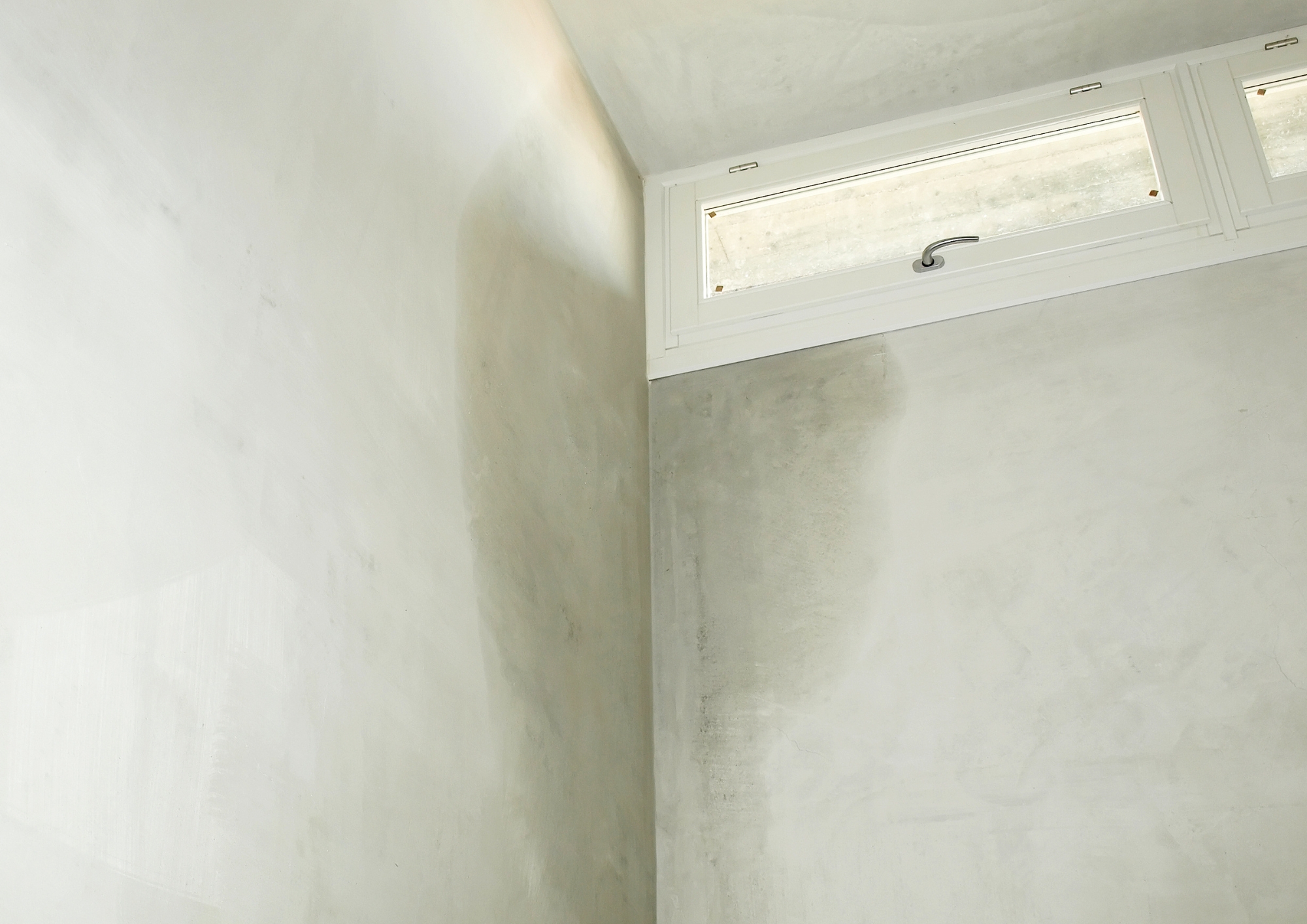
When water damage occurs in your home, it’s not just the floors that suffer - walls often absorb moisture too. That’s why it’s essential to act quickly, either by beginning the drying process yourself or contacting a professional restoration company. Prompt drying reduces the risk of structural damage and helps prevent mould growth.
How Does Water Get Into Drywall?
Before drying your walls, it’s helpful to understand how water penetrates them. When water floods an area, it first pools on the floor and any floor coverings. From there, it begins to move upward through the walls via a process called capillary action. The extent of this upward movement depends on how much water is present, the height it reaches, and the wall’s construction.
Drywall is made of gypsum sandwiched between two layers of paper, making it highly porous. It can absorb and wick water up to 30 inches high. Water will saturate both sides of the wall. Still, because there’s often less evaporation on the inner side, that area may retain more moisture - even if the damage isn’t visibly obvious.
What If the Walls Aren’t Insulated?
If your walls aren’t insulated, a restoration professional can often dry them without needing to remove the baseboards or drill large holes. High-capacity air movers are placed every 10 to 14 feet along the affected walls to draw moisture from the surface and accelerate evaporation. As moisture evaporates, more is pulled from within the wall, accelerating the drying process.
Alongside air movers, a low-grain refrigerant dehumidifier is typically used to reduce humidity and prevent mould growth. Depending on the moisture level, one or more dehumidifiers may be necessary.
Once conditions are right, technicians may also install an inner-wall drying system by drilling small holes above the sill plate and blowing dry air directly into the wall cavity. Studies show this method is one of the fastest and most effective ways to dry water-damaged walls.
What If There’s a Moisture Barrier?
The drying approach will vary depending on whether there is a moisture barrier (like paint or wallpaper) on the wall's surface. Most latex paints are breathable and allow moisture to pass through. However, glossy finishes, enamel paints, or vinyl wall coverings can act as moisture barriers, trapping water inside the wall.
In these cases, technicians may need to perforate or remove parts of the barrier to allow proper airflow. If the interior side of the wall is lined with foil or plastic, it may also need to be cut or removed to ensure effective drying - otherwise, trapped moisture can lead to mould growth.
Leaking Pressure Relief Valve?
These valves are designed too to let out excess pressure in the case of the boiler over-pressuring, usually when the boiler exceeds 3 bars.
Failed ‘PRV’ is something our engineers are faced with so often! If your boiler is losing pressure it can be a faulty pressure relief valve either inside the boiler or on the external pressure relief valve.
Like any components of a boiler, they can fail at any point and once they have been triggered there is a high chance that they will not seal back up. The water will usually leak very slowly and will often evaporate before any visible water can be noticed, but a good indication of the leak is rust or limescale stains around the pipework.
Although these leaks can be identified by leak detection engineers it is also a leak that can generally be identified by a qualified heating and plumbing engineer.
Flushing a toilet can account for 30% of the total water usage in a household, if there is an old toilet in the property it is efficient to replace the toilet with a new one that has a water-saving dual flush cistern.
Taps should be turned off when they are not in use, for example when brushing your teeth turn your tap off! This can save up to 5 litres of water per minute!
Another option you can opt-in for is a sensor-operated basin tap which will automatically turn off when it cannot sense your hands, this reduces the amount of water usage by 70%
A flow restrictor can be fitted to your taps and showerhead to help conserve water. It reduces the amount of water usage to a set amount of gallons per minute.
Having a showers uses 40% less water than having a bath.
Fixing any dipping taps can save up to 90 litres of water per week and 4,680 litres each year.