

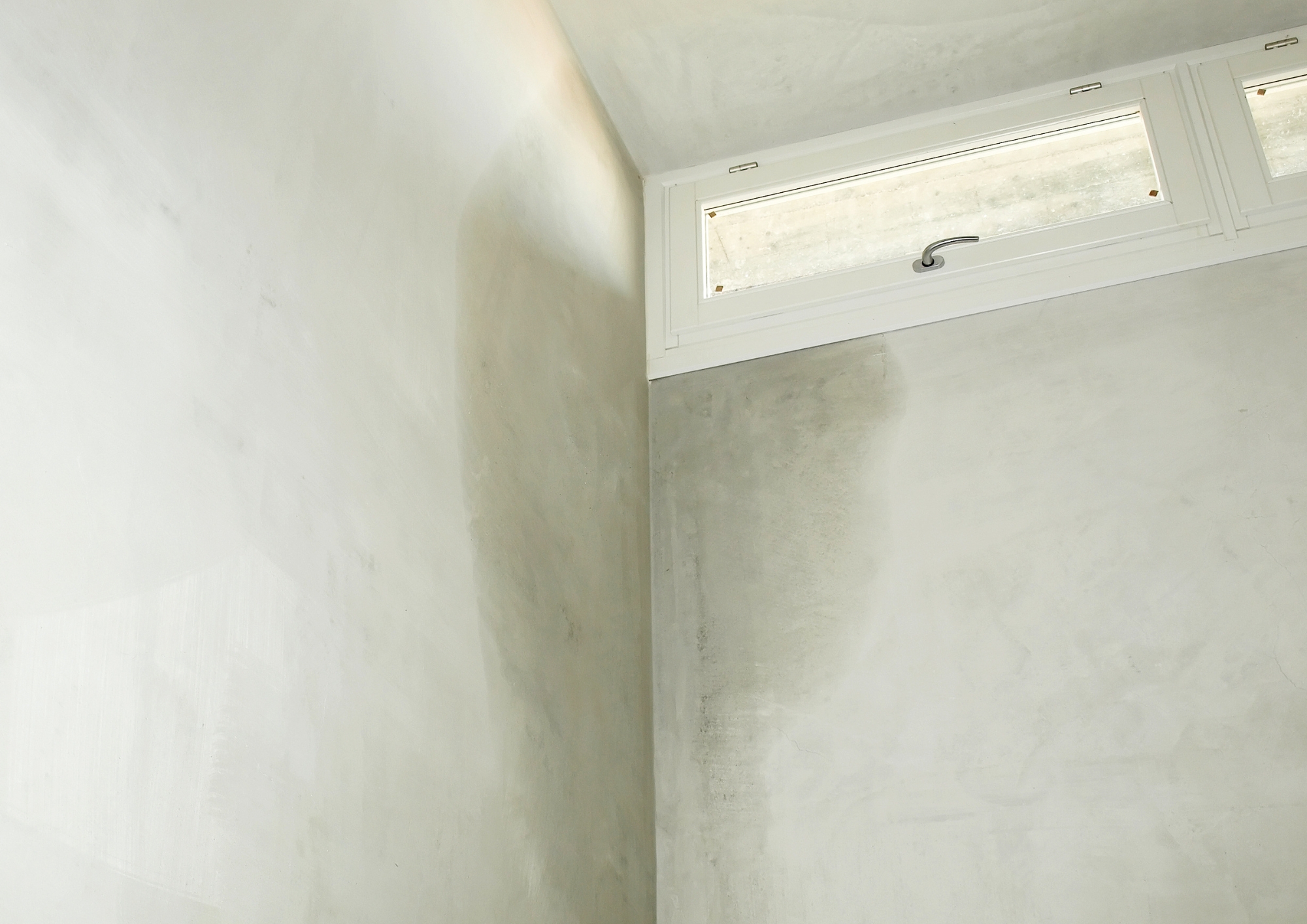
When water damage occurs in your home, it’s not just the floors that suffer - walls often absorb moisture too. That’s why it’s essential to act quickly, either by beginning the drying process yourself or contacting a professional restoration company. Prompt drying reduces the risk of structural damage and helps prevent mould growth.
Before drying your walls, it’s helpful to understand how water penetrates them. When water floods an area, it first pools on the floor and any floor coverings. From there, it begins to move upward through the walls via a process called capillary action. The extent of this upward movement depends on how much water is present, the height it reaches, and the wall’s construction.
Drywall is made of gypsum sandwiched between two layers of paper, making it highly porous. It can absorb and wick water up to 30 inches high. Water will saturate both sides of the wall. Still, because there’s often less evaporation on the inner side, that area may retain more moisture - even if the damage isn’t visibly obvious.
If your walls aren’t insulated, a restoration professional can often dry them without needing to remove the baseboards or drill large holes. High-capacity air movers are placed every 10 to 14 feet along the affected walls to draw moisture from the surface and accelerate evaporation. As moisture evaporates, more is pulled from within the wall, accelerating the drying process.
Alongside air movers, a low-grain refrigerant dehumidifier is typically used to reduce humidity and prevent mould growth. Depending on the moisture level, one or more dehumidifiers may be necessary.
Once conditions are right, technicians may also install an inner-wall drying system by drilling small holes above the sill plate and blowing dry air directly into the wall cavity. Studies show this method is one of the fastest and most effective ways to dry water-damaged walls.
The drying approach will vary depending on whether there is a moisture barrier (like paint or wallpaper) on the wall's surface. Most latex paints are breathable and allow moisture to pass through. However, glossy finishes, enamel paints, or vinyl wall coverings can act as moisture barriers, trapping water inside the wall.
In these cases, technicians may need to perforate or remove parts of the barrier to allow proper airflow. If the interior side of the wall is lined with foil or plastic, it may also need to be cut or removed to ensure effective drying - otherwise, trapped moisture can lead to mould growth.